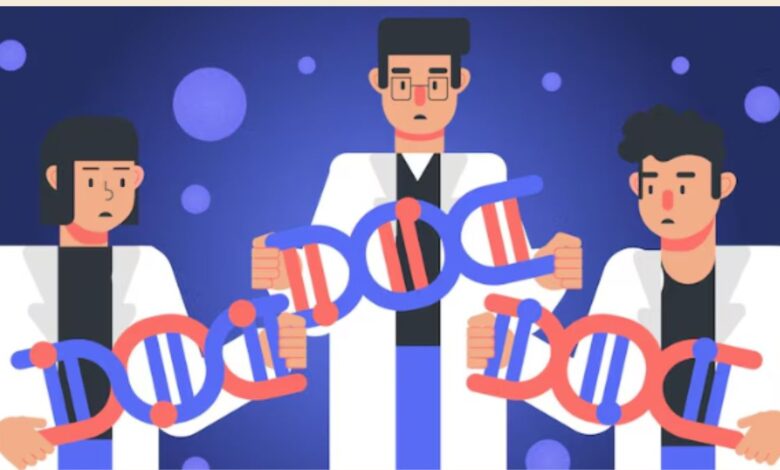
Nukleotidy are the molecular building blocks of life. They store, transfer, and regulate genetic information. Because they determine the formation of DNA and RNA, nukleotidy enable organisms to grow, repair, and reproduce. Therefore, understanding nukleotidy gives you deeper knowledge of how life works at the cellular level.
Table of Contents
What Are Nukleotidy?
Nukleotidy are organic compounds made of three components: a nitrogenous base, a sugar, and a phosphate group. Moreover, these three parts connect to form long chains. These chains then build DNA and RNA. Consequently, nukleotidy create the basic framework for genetic material, protein synthesis, and energy transfer.
Structure of Nukleotidy: The Three Core Elements
Every nukleotid has a pentose sugar, either ribose or deoxyribose. Additionally, a phosphate group attaches to the sugar, and a nitrogenous base attaches to the sugar’s first carbon. However, minor structural changes lead to major differences in function. Therefore, the structure directly controls how the molecule works.
Types of Nukleotidy Based on Nitrogenous Bases
There are two main groups of nitrogenous bases: purines and pyrimidines. Purines include adenine and guanine. Pyrimidines include cytosine, thymine, and uracil. As a result, each combination creates a specific type of nucleic acid. Hence, these base pairings ensure accurate genetic coding.
DNA and Nukleotidy: How They Work Together
DNA is a double helix built from nukleotidy. Each pair forms hydrogen bonds, which create a secure genetic ladder. Consequently, DNA stores inheritance information. Because of this stable structure, the molecule can replicate. Therefore, nukleotidy ensure genetic continuity across generations.
RNA and Nukleotidy: Supporting Gene Expression
Unlike DNA, RNA uses ribose sugar and uracil instead of thymine. While DNA stores information, RNA converts instructions into proteins. Therefore, nukleotidy in RNA act as messengers, translators, and regulators. In addition, RNA assists in protein synthesis, gene expression, and metabolic control.
Energy Storage and Nukleotidy: ATP as an Example
Adenosine Triphosphate (ATP) is the most essential energy molecule in cells. It is also a nukleotid. When ATP breaks down, it releases energy. Therefore, ATP supports muscle movement, nerve transmission, and cellular reactions. Because ATP is a nukleotid, it shows how central these molecules are to life.
Formation of Nukleotidy in the Cell
Cells produce nukleotidy through biochemical pathways. Moreover, enzymes combine sugars, bases, and phosphate. Although the process seems complex, the result is simple: continuous production of nucleic acids. Consequently, cells can grow, divide, and repair damage. Therefore, biosynthesis guarantees life sustainability.
Biological Functions of Nukleotidy
Nukleotidy play multiple roles in living organisms. They transfer energy, regulate cell signaling, and guide metabolism. Because they build DNA and RNA, they control protein formation. In addition, they act as cofactors. Therefore, a single molecule supports several essential biological functions.
Why Nukleotidy Matter in Genetics
Every genetic instruction comes from nukleotidy sequences. These sequences create genes. Genes then form proteins. Consequently, nukleotidy guide physical traits, cellular behavior, and disease resistance. Therefore, genetics depends entirely on the sequence and structure of nukleotidy.
Role of Nukleotidy in Cell Communication
Cells constantly send and receive signals. Certain nukleotidy help carry these messages. As a result, they regulate metabolism and immune responses. Therefore, nukleotidy influence cell growth, differentiation, and survival. Without them, biological communication would break down.
Relationship Between Nukleotidy and Mutations
Mistakes in nukleotid sequences lead to mutations. These changes can alter protein formation. Consequently, they may cause diseases, adaptation, or evolution. However, repair enzymes often correct errors. Therefore, nukleotidy remain central in understanding both health and variation.
Nukleotidy and Health: Medical Relevance
Doctors and scientists study nukleotidy to understand genetic disorders. With this knowledge, they can develop therapies. Moreover, medical treatments often target nucleic acids. Consequently, breakthroughs in cancer research, gene therapy, and vaccines depend on nukleotidy.
Industrial and Biotechnology Applications
Biotechnology uses nukleotidy in laboratory diagnostics and drug development. In addition, industries use them in DNA testing, sequencing, and vaccine design. Therefore, nukleotidy support innovation in medicine, agriculture, and research. Their importance continues to grow globally.
How Nukleotidy Support Protein Synthesis
Protein synthesis depends on RNA and ribosomes. Since RNA contains nukleotidy, it carries coded information. Consequently, cells translate sequences into proteins. Therefore, nukleotidy make gene expression possible, while maintaining accuracy and efficiency.
Evolutionary Importance of Nukleotidy
Nukleotidy enable mutations, adaptation, and evolution. Genetic variation originates from changes in nucleotide sequences. As a result, organisms evolve over generations. Therefore, these molecules support diversity, survival, and natural selection.
Differences Between Nukleotidy and Nucleosides
A nucleoside consists of a sugar and nitrogenous base only. However, nukleotidy contain a phosphate group. Although the difference seems small, it changes function significantly. Therefore, nukleotidy carry energy and form genetic chains, while nucleosides do not.
Nutritional Sources and Nukleotidy
Foods such as fish, meat, legumes, and mushrooms contain nukleotidy. They support immune function and tissue repair. In addition, formulas for newborns may include supplemental nucleotides. Therefore, diet contributes to cellular health and recovery.
Future Research and Innovation
Researchers continue studying nukleotidy to cure genetic diseases. Advanced tools like CRISPR use nucleotide editing. Consequently, science is developing precision medicine. Therefore, nukleotidy will remain essential to biotechnology and medical breakthroughs.
Conclusion
Nukleotidy are essential to DNA, RNA, protein synthesis, cellular energy, and genetic expression. They control biological functions and improve health, research, and technology. Therefore, if you want to understand life at its most fundamental level, explore the science behind nukleotidy. Start learning and apply this knowledge to biology, research, or health.
FAQs
1. What are nukleotidy made of?
They are made of a sugar, phosphate, and nitrogenous base.
2. How do nukleotidy form DNA?
They pair and connect to create long double-helix chains.
3. Why are nukleotidy important?
They store genetic information and support energy transfer.
4. Are nukleotidy used in medicine?
Yes, they are central to vaccines, therapies, and diagnostics.
5. How do nukleotidy affect health?
They improve cellular repair, metabolism, and immune response.